
From Swedish relaxation to targeted treatment for chronic pain, massage services cover a wide range of needs. Curious which modality fits you, how sessions are priced, and what to expect at your first appointment? Learn practical tips for choosing a therapist, safety considerations, and ways to get the most from every session.
Massage is part personal care, part health service and part relaxation ritual. Many people book massages to unwind after a stressful week. Others rely on them as part of ongoing pain management or athletic recovery. Across the United States, licensed massage therapists provide a wide range of techniques, each with different aims and pressures.
This piece explores the main types of massage services you’ll encounter, how they help the body and mind, practical advice for choosing a therapist, and what to expect during a session. Whether you’re booking your first appointment or trying a new modality, these tips will help you make informed choices and get the most value from your time on the table.
Common types of massage and when to choose them
Swedish massage is the most widely offered service and an ideal starting point for newcomers. It uses long, gliding strokes, kneading, and light tapping to encourage relaxation and increase circulation. If you want stress relief and gentle muscle loosening, Swedish is a reliable option.
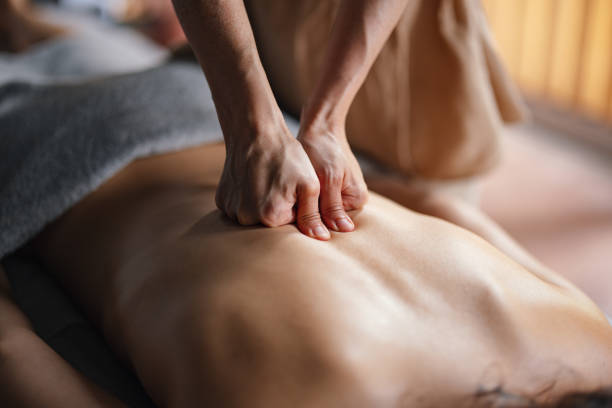
Deep tissue massage targets deeper layers of muscle and connective tissue using firmer pressure. It’s often recommended for chronic pain, tightness, or injury recovery. Because of the intensity, it can be uncomfortable during treatment but usually leads to greater long-term relief when performed correctly.
Other common modalities include sports massage for athletes, focusing on flexibility and performance; prenatal massage designed for pregnant clients with special positioning; myofascial release to address connective tissue restrictions; and trigger point therapy to relieve localised knots. Hot stone, Thai, and reflexology are available in many spas and offer distinct sensory experiences: hot stone for soothing warmth, Thai for assisted stretching, and reflexology for foot-focused pressure points.
When choosing a style, consider your goals: relaxation and stress reduction, improved mobility, or targeted pain relief. If unsure, consult with a licensed therapist who can recommend an appropriate modality and intensity for your needs.
Health benefits and what the evidence says
A growing body of evidence supports massage for reducing stress, easing muscle tension, and improving mood. Many clinical studies show short-term reductions in pain and anxiety after a session. For chronic conditions such as low back pain, massage can be a useful component of a broader treatment plan when combined with exercise and medical care.
Massage also supports recovery after exercise by improving circulation, reducing delayed onset muscle soreness, and helping restore range of motion. For people with limited mobility or those recovering from injury, gentle therapeutic massage can improve tissue quality and relaxation, though it is not a substitute for medical rehabilitation when structural issues are present.
Safety and appropriateness depend on individual health. Massage is generally safe for healthy adults, but people with certain conditions—like uncontrolled high blood pressure, blood clotting disorders, some skin infections, or recent surgeries—should consult a healthcare provider first. Open communication with your therapist about medications, chronic conditions, and symptoms ensures care is safe and tailored.
How to choose a qualified therapist
Licensure and training are the first things to look for. In the United States, most states require massage therapists to be licensed or certified, usually after completing a state-approved training program and passing an exam. Ask about credentials and how long the therapist has been practicing. Many clinics and spas list licenses and specialties on their websites or in reception areas.
Beyond paperwork, consider the therapist’s specialties and experience with issues like sports performance, prenatal care, or chronic pain. Communication skills matter: a good therapist asks about your goals, medical history, areas of tension, and pressure preferences. They will adapt the session to your comfort and explain techniques before using deeper work.
Practical details also matter. Look for clear hygiene practices, comfortable treatment spaces, transparent pricing, and cancellation policies that suit your schedule. If possible, read recent client reviews to understand consistency in quality and professionalism.
A brief checklist before booking can help: – Confirm state licensure or certification – Note specialties relevant to your needs – Read a few recent reviews – Ask about session length and what’s included – Clarify pricing and cancellation policy
What to expect at your first appointment
Your first massage will often start with a short consultation. Expect questions about your medical history, current pain or tension, allergies, medications, and what you hope to achieve. This helps the therapist design a session and avoid contraindicated techniques.
Most therapists provide a drape and explain how to undress to your comfort level—many clients leave underwear on. Proper draping protects privacy while exposing only the area being worked on. Therapists use lotion or oil to reduce friction; if you have sensitivities or prefer fragrance-free products, mention it in advance.
During the session, you’ll be invited to give feedback about pressure and comfort. Good therapists check in early and adjust based on your responses. After the massage, expect a few minutes of quiet to get up slowly; some therapists provide water and brief self-care suggestions for the following 24–48 hours, such as hydration, gentle stretching, and heat or ice if needed.
If you experience unusual or worsening pain after a session, contact your therapist and consider consulting a healthcare professional. Mild soreness can be normal after deeper work, but sharp or persistent pain is not.
Pricing, frequency, and how massage fits into a self-care routine vary widely. Session length commonly ranges from 30 to 90 minutes, with 60 minutes being the industry standard. Prices depend on region, therapist experience, and location type: small independent clinics often cost less than high-end resort spas. Many therapists offer package deals or membership plans that lower the per-session cost for regular clients.
How often to book depends on your goals. For stress management, a monthly appointment may suffice. For acute or chronic pain, weekly or biweekly sessions during an initial treatment phase can better address dysfunction, tapering to maintenance visits as symptoms improve. Athletes might schedule massages around training cycles—pre-event for loosening or post-event for recovery.
You can make massage part of a broader wellness strategy. Combine it with regular movement—walking, strength work, or gentle yoga—to maintain gains in flexibility and posture. Prioritize hydration and sleep to support tissue repair. Communicating progress and any new symptoms with your therapist helps refine your plan over time.
Massage is not a cure-all, but when integrated thoughtfully into a healthy lifestyle and coordinated with medical care when needed, it can be a powerful tool for comfort, function, and emotional resilience.