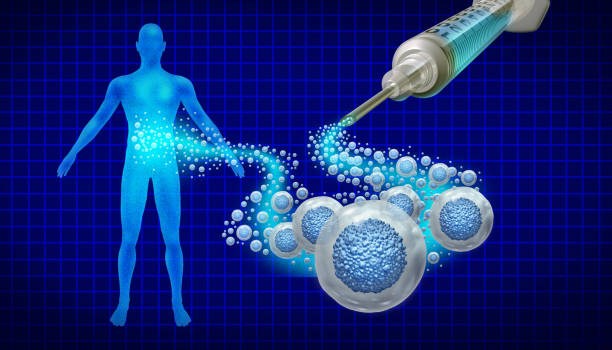

As the United States enters mid-2026, the field of intimate health has shifted from purely aesthetic alterations to a holistic “Restorative Era.” Today’s patients prioritize functional longevity, utilizing advanced regenerative biologics and integrated pelvic floor rehabilitation. This guide provides a comprehensive overview of 2026’s specialized recovery protocols, the rise of bio-stimulators, and essential legal and insurance considerations for patients in the U.S. market.
1. Specialized Post-Partum Restoration Protocols
The “Mommy Makeover” in 2026 now frequently incorporates a specialized intimate health component, often initiated 6 to 12 months post-delivery once tissue stabilization is complete.
- Pelvic Floor Reconstruction (Surgical): For patients experiencing Grade 2 or 3 pelvic organ prolapse or significant vaginal laxity, surgical reconstruction of the posterior and anterior vaginal walls remains the gold standard for restoring pre-pregnancy functionality.
- Dynamic Perineorrhaphy: Beyond simple skin excision, modern perineoplasty in 2026 focuses on reconstructing the perineal body (the muscle group between the vagina and rectum) to improve core stability and resolve chronic discomfort.
- PRP and Exosome Therapy: Utilizing the patient’s own platelet-rich plasma (PRP) or laboratory-refined exosomes to accelerate cellular repair in episiotomy scars and improve mucosal hydration.
2. 2026 Emerging Technologies: The Bio-Stimulation Revolution
The trend in 2026 is moving away from synthetic fillers toward treatments that prompt the body to repair itself.
| Technology Type | Primary Treatment | Indication | Treatment Cycle |
|---|---|---|---|
| Radiofrequency (RF) | Morpheus8V | Fractional remodeling of the vaginal mucosa and labia. | 3 sessions (every 4 weeks). |
| HIFU Technology | Ultra Femme 360 | Non-invasive tightening using High-Intensity Focused Ultrasound. | 2–4 sessions annually. |
| Biostimulators | Polynucleotides (DNA) | Injectable salmon-DNA fractions used to firm labial skin. | 2 sessions (long-lasting). |
| Stem Cell Fat Transfer | Autologous Grafting | Using enriched fat cells to restore volume to the labia majora. | Single surgical session. |
3. Financial Planning: Insurance Coverage and Payment Models
While most intimate procedures are elective, 2026 has seen a subtle shift in how certain functional treatments are categorized by U.S. insurance carriers (e.g., Cigna, Aetna, BlueCross).
- Medically Necessary Exceptions: Vaginoplasty or Perineoplasty may be partially covered if documented as a treatment for Symptomatic Pelvic Organ Prolapse or Urethral Hypermobility (stress incontinence).
- FSA/HSA Eligibility: Many non-surgical treatments for Genitourinary Syndrome of Menopause (GSM) or pelvic floor dysfunction now qualify for payment via Health Savings Accounts (HSA) or Flexible Spending Accounts (FSA).
- Financing Platforms: Clinics in 2026 predominantly utilize CareCredit or PatientFi, offering 12–24 month 0% APR financing plans for elective intimate surgeries.
4. Professional Credentials and Safety Standards
The 2026 U.S. regulatory environment has heightened the scrutiny on energy-based devices (EBDs). Patients must verify the following:
- FDA Clearance Status: Ensure the laser or RF device being used is specifically FDA-cleared for vaginal tissue treatment (not just general dermatology).
- Multidisciplinary Expertise: The highest safety standard is found in clinics where Plastic Surgeons and Urogynecologists collaborate on the surgical plan.
- The “Liveness” Consultation: Avoid clinics that provide quotes without a physical exam. In 2026, a physical assessment of pelvic floor muscle strength (using biofeedback tools) is a mandatory precursor to any surgical recommendation.
5. Post-Operative Recovery and Longevity Strategy
Recovery in 2026 is supported by “Bio-Hacking” protocols designed to minimize downtime and maximize the longevity of results.
- Hyperbaric Oxygen Therapy (HBOT): Some premium clinics now include 2–3 sessions of HBOT post-vaginoplasty to reduce swelling and accelerate the healing of internal sutures.
- The “Six-Week Rule”: Regardless of technology, surgical patients are strictly restricted from submersion in water (pools/tubs), tampon use, and sexual intercourse for a minimum of 42 days.
- Maintenance Cycles: Non-surgical energy-based treatments typically require a single “annual booster” session to maintain collagen density and mucosal health.