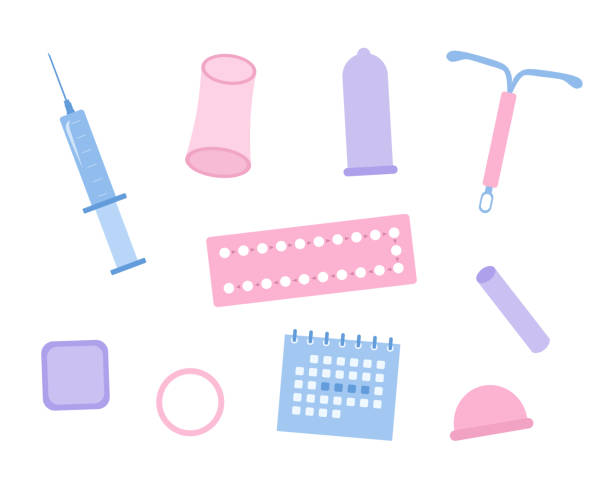

In 2026, the landscape of reproductive health in the United States is characterized by high digital accessibility and standardized insurance coverage. Under the federal mandates of the Affordable Care Act (ACA), most private insurance plans and Medicaid programs are required to cover FDA-approved prescription contraceptives with zero out-of-pocket costs. This guide provides a detailed breakdown of the available methods, current market pricing, and the modernized acquisition process for 2026.
1. Comparative Analysis of Prescription Methods
The U.S. market offers several categories of prescription-only contraceptives, tailored to different physiological needs and lifestyles.
| Category | Typical Methods | Efficacy (Typical Use) | Annual Out-of-Pocket (No Insurance) |
|---|---|---|---|
| Oral Contraceptives | Combined & Progestin-only Pills | 91% | $150 – $600 |
| Injectables | Depo-Provera (Shot) | 96% | $600 – $800 |
| Vaginal Rings | NuvaRing, Annovera | 91% | $1,800 – $2,400 |
| Contraceptive Patches | Xulane, Twirla | 91% | $1,200 – $1,800 |
| LARCs (Implants/IUDs) | Nexplanon, Mirena, Kyleena | 99%+ | $320 – $1,300 (one-time) |
2. Mandatory Documentation and Medical Screening
To obtain a prescription in 2026, healthcare providers require specific medical data to ensure patient safety, particularly regarding hormonal contraindications.
- Social Security Number (SSN) / ID: Necessary for insurance billing and pharmacy identification.
- Recent Blood Pressure Reading: For estrogen-based methods (Combination Pills, Patch, Ring), a reading from the last 12 months is mandatory to assess stroke and blood clot risks.
- Medical History Disclosure: Providers evaluate for “red flags” such as migraines with aura, smoking (if over age 35), or history of cardiovascular disease.
- Health Savings Account (HSA) Info: In 2026, many patients utilize HSA or FSA funds to cover pharmacist consultation fees or non-covered brand-name prescriptions.
3. The Digital and Physical Acquisition Process
The transition from consultation to fulfillment has become highly streamlined through telehealth and pharmacy prescribing laws.
- Consultation Pathways:
- Telehealth Platforms: Services like Nurx, Wisp, and Planned Parenthood Direct offer virtual visits starting at approximately $15–$35.
- Pharmacist Prescribing: In over 30 states, patients can now obtain a prescription directly from a pharmacist at locations like CVS or Walgreens without seeing a doctor.
- Clinical Review: A licensed clinician reviews the health questionnaire and issues an electronic prescription (e-Rx).
- Fulfillment Options:
- Home Delivery: Discreet shipping to residential addresses, often with automated monthly refills.
- Local Pickup: Immediate collection at a neighborhood pharmacy.
- Verification of “Zero-Cost”: Patients with insurance should verify that the specific generic version prescribed is on their plan’s “Preventive Care” list to ensure a $0 co-pay.
4. Financial Considerations for Uninsured Patients
For individuals without insurance in 2026, several programs exist to minimize the financial burden of prescription drugs.
- Generic Advantage: Opting for generic versions of popular brands (e.g., Estarylla instead of Ortho-Cyclen) can reduce monthly costs to as low as $9–$20.
- Title X Clinics: Federally funded clinics provide contraceptives on a sliding fee scale based on the patient’s income.
- Discount Tools: Applications such as GoodRx or SingleCare provide coupons that can reduce cash prices by up to 80% at major pharmacy chains.
- Pill vs. LARC Cost-Benefit: While LARCs (like the Nexplanon implant) have a higher upfront cost (approx. $1,000), their 3-to-5-year lifespan makes them more cost-effective annually than the pill or patch for uninsured users.
5. Strategic Trends for 2026: Wearables and OTC
The 2026 market has seen a surge in “Integrated Contraception,” where prescriptions are managed alongside digital health data.
- Wearable Integration: New FDA-cleared wearables now sync with prescription apps to monitor cycle data, helping users of progestin-only pills stay within their strict 3-hour daily window.
- OTC Transition: While Opill (the first OTC daily pill) is widely available for ~$20/month, many patients still prefer prescriptions to access Combination Pills, which offer secondary benefits such as acne control and treatment for Endometriosis/PCOS.