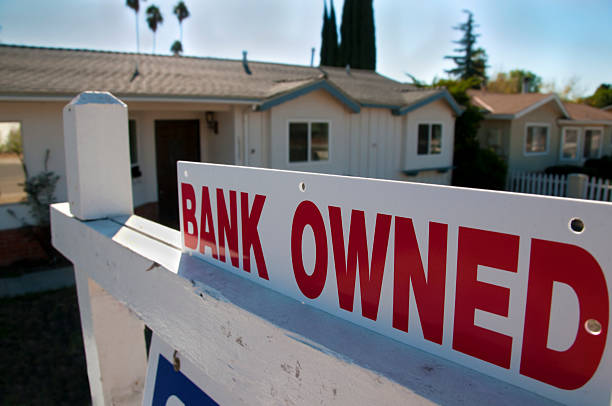

The landscape of the American real estate market has shifted significantly in 2026. For investors and first-time homebuyers alike, foreclosed properties—often referred to as bank-owned or REO (Real Estate Owned) assets—represent one of the most effective ways to acquire property below market value. While the process requires more due diligence than a traditional sale, the potential for immediate equity makes it a compelling strategy in today’s economy.
1. Understanding the 2026 Foreclosure Landscape
In 2026, the foreclosure market is no longer defined by the broad volatility of previous decades. Instead, it is characterized by “Micro-Cycles” influenced by regional economic shifts.
- Technology-Driven Sales: The majority of foreclosure proceedings and auctions have transitioned to digital platforms. This transparency allows buyers to access detailed property data, tax history, and lien information with unprecedented ease.
- Inventory Quality: Unlike the distressed assets of the past, many foreclosures in 2026 are newer builds or well-maintained homes that faced financial hurdles rather than physical neglect.
2. The Three Phases of Opportunity
To maximize profit, you must identify which stage of the foreclosure process fits your investment profile:
Pre-Foreclosure and Short Sales
This is the “Golden Window” where the owner is in default but the bank has not yet seized the property. In 2026, many owners prefer a short sale to protect their credit scores. For buyers, this often means a more thorough inspection process and a smoother transition than an auction.
The Digital Trustee Sale (Auction)
The most competitive phase occurs at the auction. In 2026, these are high-speed digital events. While prices are at their lowest here, properties are typically sold “as-is” and often require cash or specialized high-speed financing.
Bank-Owned (REO) Inventory
When a property does not sell at auction, it becomes an REO. Banks are not in the business of property management and are often highly motivated to sell. These properties are usually vacant, making them ideal for investors looking to start renovations immediately.
3. Risk Mitigation in the Modern Market
Successful foreclosure investing in 2026 relies on a rigorous “Verification First” protocol.
- Lien Analysis: Beyond the primary mortgage, properties may carry secondary liens, unpaid property taxes, or HOA dues. Utilizing professional title search services is non-negotiable.
- Virtual Due Diligence: Use 3D mapping and neighborhood trend algorithms to assess the long-term value of a property before committing capital.
- Renovation Estimations: In 2026, material and labor costs vary widely by region. Always factor in a 20% contingency fund for unforeseen structural repairs.
4. Financing Solutions for 2026
Capital access has evolved to support the distressed property market.
- Renovation Mortgages: Programs like the Fannie Mae HomeStyle loan allow you to bundle the purchase price and the renovation costs into a single, low-interest mortgage.
- Bridge Loans: For investors planning to “fix and flip,” bridge financing provides the necessary speed to win at auction with the intention of refinancing once the property is stabilized.
5. The Path to Equity
Buying a foreclosure in 2026 is a strategic move that rewards the disciplined buyer. By purchasing a property at 15% to 25% below its fair market value, you create an immediate financial cushion. Whether you intend to rent for passive income or sell for a capital gain, foreclosures remain a premier asset class for those who understand the mechanics of the modern US real estate market.