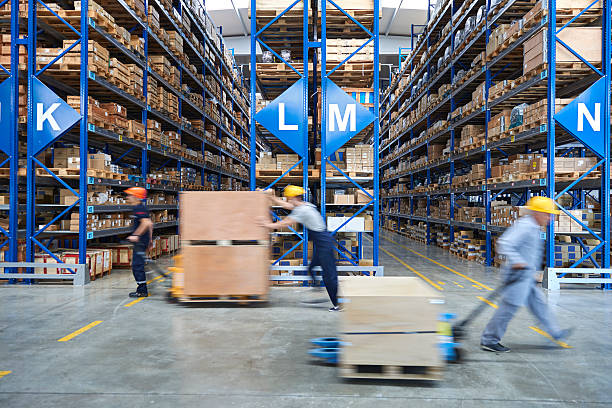

Warehouse jobs offer diverse opportunities and are crucial to supply chains. Discover what roles are available, how to prepare, and growth paths in this industry.
In today’s fast-paced economy, warehouse jobs play a significant role in logistical operations across various industries. As e-commerce continues to rise, the demand for positions within warehouses is higher than ever. This article will explore the diversity of jobs available in warehouses, the skills and qualifications needed, where to find these roles, potential career growth, the challenges faced in the industry, and insights into job satisfaction and employee experience. Understanding these aspects will equip job seekers with valuable knowledge to navigate this critical sector of the workforce.
Types of warehouse jobs available
Warehouse jobs can vary widely, encompassing roles that cater to different skill sets and career aspirations.
- Inventory Associate: These individuals track stock levels and manage inventory records. Their accuracy is crucial for smooth operations, especially in large warehouses.
- Forklift Operator: Skilled operators are responsible for moving products efficiently and safely within the warehouse using forklifts and other equipment. Certifications are often required.
- Warehouse Manager: This role oversees all operations within the facility, focusing on productivity, employee management, and safety compliance. Leadership experience is essential.
- Picking and Packing Specialist: Employees in this position choose items from shelves and prepare them for shipment. Attention to detail and efficiency is key.
- Shipping and Receiving Clerk: This role ensures that shipments are processed correctly and that inventory is logged promptly, playing a vital role in the warehousing supply chain. These diverse positions reflect the variety and specialization present in warehouse jobs, making it accessible to individuals with different interests and skills.
Skills and qualifications required
While some warehouse jobs require specialized training, many positions are entry-level and provide on-the-job training. General qualifications and skills include:
- Physical Fitness: Most warehouse jobs require employees to be physically active, including lifting, bending, and standing for long periods.
- Attention to Detail: Especially in inventory management and fulfillment tasks, accuracy is critical to maintaining proper stock levels and avoiding costly errors.
- Basic Computer Skills: Many warehouses utilize technology for inventory management, requiring workers to interface with software and systems.
- Teamwork: Warehousing is often a cooperative environment, so being able to work well with others is essential.
- Safety Awareness: Adhering to safety protocols is necessary, as warehouses can present various workplace hazards. Comprehensive training is frequently provided to ensure all employees understand safety measures.
Understanding the required skills can help job seekers tailor their resumes and prepare for interviews.
Where to find warehouse jobs
Job seekers looking for warehouse jobs can explore multiple avenues to find opportunities:
- Online Job Boards: Websites like Indeed, or LinkedIn are popular platforms where companies post their job openings. Search filters can help users find locations and types of jobs that match their preferences.
- Company Websites: Many large retailers and distributors, like Amazon or FedEx, list their job vacancies directly on their sites. This can often include positions that may not be widely advertised elsewhere.
- Staffing Agencies: Agencies specializing in logistics and warehousing can assist in matching candidates with available roles, often providing access to temporary and permanent positions.
- Local Classifieds: Online classifieds and community boards can be a resource for finding local job opportunities.
- Networking: Engaging with people in the warehousing and logistics industry through events or forums can lead to job leads and referrals.
By leveraging these resources, job seekers can enhance their chances of finding the right position in a warehouse.
Career advancement in warehouse roles
The warehouse sector often provides ample opportunities for advancement due to its rapidly expanding nature. Potential career paths may include:
- Supervisory Roles: Starting in entry-level positions allows employees to gain experience and knowledge that can lead to supervisory roles over time. Effective performance and leadership skills are key to moving up.
- Specialized Certifications: Workers may consider obtaining certifications in areas such as supply chain management or safety operations, helping them stand out and become eligible for promotions.
- Cross-Training: Many warehouses encourage cross-training, allowing staff to learn different roles within the facility. This not only fosters versatility but also opens doors to more advanced positions.
- Logistics and Supply Chain Management: With experience and further education, workers can transition into broader supply chain or logistics roles, expanding their career horizons significantly. The pathway to advancement in warehouse jobs can be rewarding and may contribute to a fulfilling career trajectory.
Challenges in the warehouse job industry
Despite the opportunities, the warehouse job sector is not without its challenges. Awareness of these issues can help job seekers prepare for potential obstacles:
- High Turnover Rates: Many warehouses experience high employee turnover due to the physically demanding nature of the jobs and inconsistent schedules.
- Safety Concerns: Working in warehouses can be hazardous due to heavy machinery, lifting, and other risks involved. Companies emphasize training, yet accidents can occur.
- Seasonal Fluctuations: Job availability can fluctuate with seasons, particularly in e-commerce, leading to periods of higher demand followed by slower times.
- Work Environment: The fast-paced and sometimes stressful nature of warehouse jobs can impact employee morale, making a supportive workplace culture essential for retention.
Understanding these challenges can help potential employees decide what’s best for their career goals, and those already in the field can develop coping strategies for the demands of the job.
Job satisfaction and employee experience
Job satisfaction in warehouse roles can vary widely based on several factors:
- Work Environment: A supportive and collaborative environment tends to boost morale and job satisfaction. Employers investing in employee welfare and communication often see better retention rates.
- Advancement Opportunities: Employees who perceive clear paths for advancement are generally more satisfied within their roles. Opportunities for professional growth are essential to retaining motivated workers.
- Pay and Benefits: Competitive wages and benefits play significant roles in overall satisfaction. Companies that offer fair pay and comprehensive benefits packages are more likely to retain talent.
- Work-Life Balance: Many warehouse jobs have unconventional hours, which can impact employees’ personal lives. Companies that enable better shifts or flexible schedules tend to have happier employees.
Gaining insights into employee experiences is key for job seekers, as it helps in assessing not only the job itself but the culture of the organization they may be joining.
Warehouse jobs offer a multitude of opportunities across various roles and industries, from inventory management to logistics oversight. With the right skills, certifications, and a keen eye for advancement, individuals can navigate this thriving job market successfully. Understanding where to find positions and the challenges that come with the territory is crucial for making informed decisions. As the demand for warehouse workforce continues to grow, so do the prospects for dedicated employees willing to invest in their development in a rewarding career path.