
Did you know that the cleaning industry is projected to grow by over 10% in the next five years? This article explores the diverse world of cleaning jobs and the opportunities they offer.
Cleaning jobs encompass a wide array of opportunities that cater to various sectors, from residential spaces to commercial establishments. In an ever-evolving job market, understanding these roles can provide valuable insights for job seekers, caretakers, and businesses alike.
This article dives into the various types of cleaning jobs, the skills required, the potential earnings, and where to find opportunities. Various perspectives will be shared, offering a comprehensive look into an industry that might be overlooked but provides essential services. We will also break down how to secure a cleaning job, explore the impact of technology, and discuss the future of cleaning within the gig economy. By the end, you will have a well-rounded understanding of this vital sector and practical advice on how to navigate your way within it.
Types of cleaning jobs
The landscape of cleaning jobs is incredibly diverse. Common roles include residential cleaners, commercial cleaners, janitors, and specialized roles such as carpet cleaning technicians or window washers.
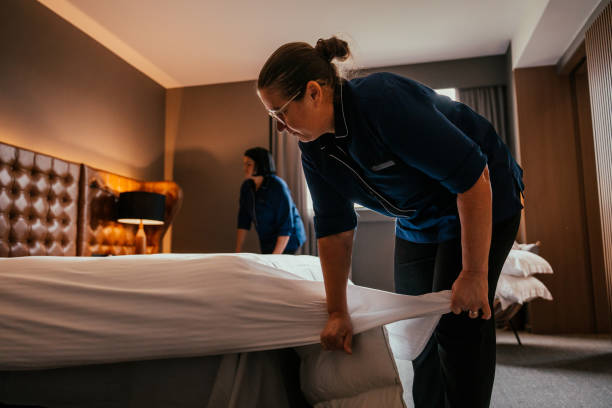
- Residential Cleaners: These professionals focus on home cleaning, catering to clients who seek regular or one-time services. Responsibilities often include dusting, vacuuming, mopping, and organizing.
- Commercial Cleaners: Typically employed by businesses, these cleaners maintain cleanliness in offices, retail spaces, and other commercial environments. Their tasks may extend to floor maintenance and restroom sanitation.
- Janitors: These cleaning professionals usually work full-time in schools, hospitals, and corporate offices. In addition to cleaning, janitors often handle minor maintenance tasks, making their roles quite versatile.
- Specialized Cleaners: This group covers a niche market. They use specific skills and tools for services like deep carpet cleaning or hazardous material disposal, often requiring training or certification.
With such a range of positions, job seekers can find roles that align with their skills, preferences, and lifestyle.
Skills needed in cleaning jobs
While many cleaning jobs don’t require formal education, specific skills can enhance an individual’s employability and performance. The following are some essential skills needed:
- Attention to Detail: Cleaners must notice dirt and mess in places others may overlook, ensuring thorough cleaning.
- Time Management: Many cleaning jobs operate on timed schedules, requiring employees to prioritize tasks effectively.
- Physical Stamina: Cleaning often requires physical labor. Being able to stand for long stretches and lift items is crucial.
- Customer Service Skills: Especially for residential cleaners, strong communication skills foster positive relationships and encourage repeat business.
- Knowledge of Cleaning Supplies and Chemicals: Understanding which products to use for various tasks can lead to higher efficiency and safety.
Employing these skills can help individuals stand out in a competitive market, positioning them for greater career advancement opportunities.
Earnings and job prospects
The earnings for cleaning jobs can vary based on the role, location, and level of experience. According to the Bureau of Labor Statistics, as of 2022, the median annual wage for janitors and cleaners was around $30,000. For specialized roles like carpet cleaning technicians, earnings can be significantly higher due to the specialized skills required.
- Residential Cleaners: Rates typically range from $20 to $50 per hour, depending on the service frequency and complexity.
- Commercial Cleaners: These roles generally offer hourly wages from $12 to $25, depending on the size and type of establishment.
- Janitors: Often working on an hourly basis, janitors can expect a range between $15 and $25 per hour.
- Specialized Cleaning Services: Often operating independently, these probably can charge premium rates due to the unique skills they offer.
The growth prospects for cleaning jobs appear positive. The industry is expected to experience significant growth, especially as businesses and hospitals continue to prioritize cleanliness and hygiene in light of recent health concerns. Entering this sector now could be a wise career move for those interested in job security.
Finding cleaning jobs
Job seekers can find cleaning jobs through various means. Here are some practical strategies for getting started in the field:
- Job Boards: Websites like Indeed, Glassdoor, and LinkedIn often feature cleaning job postings. Tailoring your resume to highlight relevant skills can improve your chances.
- Networking: Many cleaning jobs are filled through referrals. Speaking with friends, family, or local business owners may lead to job opportunities before they are publicly posted.
- Social Media Groups: Platforms like Facebook have groups dedicated to cleaning services, where job postings frequently appear.
- Direct Applications: Many cleaning companies welcome applications directly on their websites. Checking local cleaning services can reveal openings.
- Freelancing Platforms: Websites like TaskRabbit or Thumbtack allow individuals to list their cleaning services or bid on jobs.
By leveraging these resources, job seekers can enhance their chances of finding and securing a rewarding cleaning job.
The impact of technology on cleaning jobs
Technology is rapidly changing the cleaning industry. Advancements are enhancing efficiency and accessibility in various ways. Some notable trends include:
- Robotic Cleaners: Devices like Roomba have redefined residential cleaning tasks, making it easier for individuals to maintain cleanliness. This tech, however, does not replace the need for professional cleaning services, as homes may still require in-depth hands-on cleaning.
- Online Booking Platforms: Many cleaning companies have adopted technology allowing customers to book services online. This streamlines the customer hiring process and helps cleaning providers reach a broader market.
- Eco-friendly Products: An increase in environmentally conscious cleaning solutions has gained popularity. Many companies now promote green cleaning options, attracting clients interested in sustainable living.
- Smart Cleaning Tools: Tools equipped with technology, such as vacuums that can adjust to different surfaces, greatly enhance cleaning speed and efficiency.
The ongoing integration of technology in the cleaning sector signals a shift towards a more organized, efficient, and customer-centered approach. As such, it’s important for job seekers to remain adaptable and stay informed about these advancements, as they will shape the future of cleaning careers.
Cleaning jobs are diverse and offer a wide range of opportunities, skills, and earnings potential. From residential to specialized roles, there is a place for many individuals within this industry. Understanding essential skills, job prospects, and technological advancements meaningful for navigating a career in this field can lead to job satisfaction and opportunities for growth. Exploring cleaning positions opens a door to a vital sector that, despite its challenges, is marked by opportunities and a growing demand. Whether seeking a permanent position or flexible jobs, the cleaning industry has something for everyone.