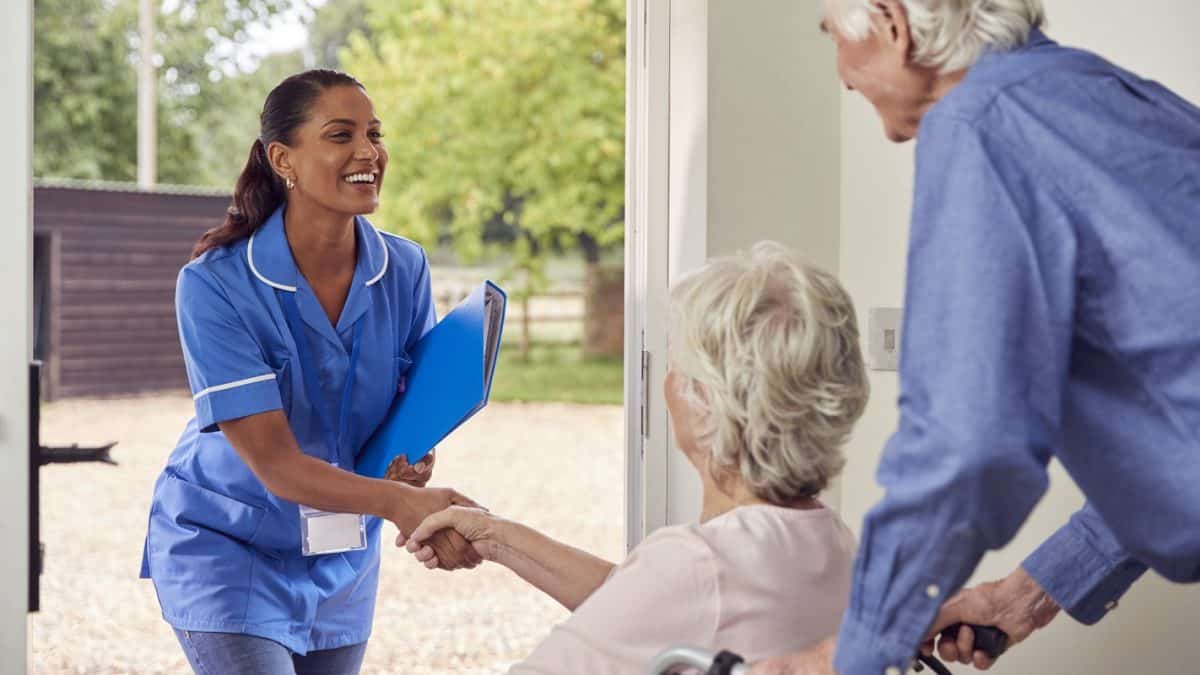

With the aging population in the United States, the elderly care industry has become more crucial than ever. For those interested in entering this field, becoming an elderly caregiver offers not only a meaningful job but also stable career prospects and sustainable professional development. In this guide, we will provide detailed information about the skills, responsibilities, salary, benefits, and career opportunities in the elderly care industry, helping you decide if this field is right for you.
🔍 What is an Elderly Caregiver?
An elderly caregiver (also known as personal care assistant or home health aide) provides daily assistance, health support, and emotional companionship to older adults. The role involves helping seniors with their daily tasks, providing medical care, and offering emotional support to improve their quality of life and independence.
Main Responsibilities:
- Daily Living Support: Assisting seniors with basic activities like eating, dressing, bathing, and using the restroom.
- Health Management: Helping seniors take medication on time and monitoring their health (such as checking blood pressure and temperature).
- Emotional Support: Providing companionship to reduce loneliness and increasing social engagement.
- Household Management: Helping with cleaning, cooking, and maintaining a safe living environment.
💼 Essential Skills for Elderly Caregivers
To become a successful elderly caregiver, you need to possess specific skills and qualities:
- Empathy and Patience: Caregiving requires personalized service, understanding, and supporting the emotional needs of seniors.
- Communication Skills: Effective communication with seniors and their families is essential, especially when providing care advice and executing health management tasks.
- Physical Fitness: Since the job involves physical assistance, caregivers need to be physically fit and resilient.
- Organization and Attention to Detail: Caregivers need to manage time and tasks efficiently while ensuring the needs of the elderly are met.
- Basic Medical Knowledge: Understanding basic health care knowledge, such as monitoring health and providing necessary assistance.
💰 Elderly Caregiver Salary and Benefits
Salary Overview (2026 Estimate)
The salary for elderly caregivers varies based on experience, location, and type of work. Below are general salary ranges:
- Entry-level Caregivers: $13 – $18 per hour
- Experienced Caregivers: $18 – $25 per hour
- Senior Caregivers / Managerial Roles: $25 – $35 per hour
Benefits
- Health Insurance: Many employers offer health insurance to full-time employees.
- Paid Time Off: Includes vacation days, sick leave, etc.
- Retirement Benefits: Some employers provide retirement plans, such as 401(k).
- Career Training: Many organizations offer professional development and certification programs, such as dementia care and first aid courses.
🕒 Work Hours and Scheduling
Elderly caregivers often have flexible working hours, depending on the employer’s needs and the senior’s health condition:
- Full-time Jobs: Typically 40 hours per week, may involve night shifts or weekends.
- Part-time Jobs: Ideal for those looking for more flexibility in working hours.
- Live-in Care: Some elderly individuals prefer live-in care, requiring caregivers to provide round-the-clock assistance.
- Hourly Paid: Caregivers can work on-demand and are paid based on hours worked.
📊 Job Outlook for Elderly Caregivers
With the increasing elderly population, the demand for elderly caregivers continues to rise. According to the U.S. Bureau of Labor Statistics (BLS), caregiver employment is expected to grow by more than 12% from 2026 to 2036. The job outlook for caregivers is strong, and the industry is highly resilient, offering stability even during economic downturns.
🧭 How to Become an Elderly Caregiver?
The steps to becoming an elderly caregiver are usually straightforward, especially for those new to the workforce:
- Complete Training and Certification
Most states require caregivers to complete training. After finishing basic training courses, caregivers typically receive certifications such as Personal Care Assistant (PCA) or Home Health Aide (HHA). - Choose the Right Work Environment
Elderly caregivers can work in a variety of settings such as private home care, nursing homes, assisted living facilities, and rehabilitation centers. It’s important to find a setting that suits your interests and skills. - Engage in Continuing Education and Training
With advancements in healthcare and caregiving techniques, continuous education is essential. Many employers offer training and professional development opportunities, helping caregivers advance in their careers. - Gain Experience
Many positions allow beginners to start as assistants and gradually move up to supervisory or training roles with experience.
🎯 Why Choose Elderly Caregiving as a Career?
- High Demand and Stability: With the aging population, there is a growing demand for professional caregivers, offering job stability.
- Meaningful Work: Elderly caregivers have the opportunity to directly improve the lives of others, providing great personal satisfaction.
- Career Development: There are numerous opportunities for advancement and diverse career paths in the elderly care field.
- Flexible Work Hours: The industry offers various work schedules, including full-time, part-time, and live-in care, suitable for different lifestyles.
🚀 Next Steps: Start Your Career in Elderly Caregiving
If you’re considering entering the elderly caregiving field, the first step is to learn about industry demands, obtain necessary training and certifications, and look for suitable job opportunities. Whether you’re looking for full-time or flexible hours, the elderly caregiving industry offers stable and meaningful career options.
- Browse Current Job Listings: Explore available caregiver positions in your area.
- Understand Training Requirements: Learn about the training and certification requirements in your state.
- Apply for Jobs: Choose a suitable position and apply to start your caregiving career.
📌 Summary
The elderly caregiving industry in the United States offers great career potential and outlook. If you’re passionate about helping others and providing care, becoming an elderly caregiver can be a rewarding and fulfilling career. By providing essential care, building meaningful relationships, and enjoying flexible work arrangements, you’ll find a rewarding career while improving the quality of life for others.