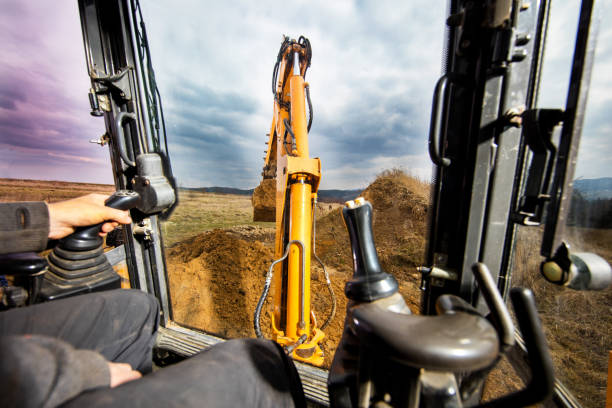

Searching for excavator operator jobs can be frustrating, as openings are scattered across numerous websites and often listed with different job titles. This guide focuses on actionable steps to streamline your search, target opportunities in your specific city or county, and effectively connect with hiring managers. By refining your methods and knowing where to look, you can transform a scattered hunt into a targeted job search.
Understanding the Search Landscape: Titles and Platforms
The first hurdle is terminology. Employers may advertise for “Excavator Operator,” “Heavy Equipment Operator,” “Dozer Operator,” or simply “Equipment Operator.” Broaden your search terms to include related phrases. The second challenge is platform fragmentation. No single website hosts all listings. Your search must be multi-platform. Major job boards like Indeed and ZipRecruiter are essential starting points due to their volume. For roles with local government, utilities, or road departments, dedicated government job sites like GovernmentJobs.com or your city/county’s official website are critical. Don’t overlook the niche construction job boards, which can yield opportunities not posted elsewhere.
Table 1: Where to Search for Excavator Operator Jobs
| Platform Type | Examples | Best For Finding… |
|---|---|---|
| General Job Boards | Indeed, LinkedIn, ZipRecruiter, Monster | High volume of listings from construction firms, temp agencies. |
| Niche Construction Boards | iHireConstruction, ConstructionJobs.com | Roles at specialized contractors, often requiring verified experience. |
| Government/Public Sector | USAJobs.gov, GovernmentJobs.com, City/County career pages | Stable positions with municipalities, DOTs, water authorities. |
| Company Career Pages | Websites of large local contractors (e.g., Granite, Kiewit) | Direct applications for major regional or national employers. |
Optimizing Your Search for Local Results
To minimize commute time, you must geo-target your efforts. On job boards, use the city and county name in your search, and set a specific mile radius. Use map-based search features on sites like Indeed to visually see where jobs are located. Research the major construction, excavation, and utility companies operating in your area. Visit their websites directly and sign up for job alerts. For unadvertised roles, leverage local knowledge. Check physical bulletin boards at local equipment dealerships (Caterpillar, John Deere), building supply stores, and union halls (Operating Engineers). A direct, polite phone call to the dispatch or operations manager of a local excavation company can sometimes uncover upcoming needs.
Building a Targeted and Verifiable Application
When you find a relevant posting, tailor your resume. List specific excavator models you are proficient with (e.g., Cat 336, John Deere 350G) and the types of projects you’ve worked on (residential excavation, pipeline, site prep). Highlight safety certifications like OSHA 10 or 30. Your application should quickly prove you can handle the machines and the local work environment. Create a simple, professional document or portfolio that verifies your experience; this could include a list of projects, references from previous supervisors, or even links to short, safe work videos. Being prepared to verify your skills sets you apart from candidates who only submit a generic resume.
Table 2: Key Skills & Certs to Highlight in Your Application
| Category | Specific Items to List | Why It Matters to Employers |
|---|---|---|
| Machine Proficiency | “Excavator (up to 50k lb), Dozer, Loader” | Shows versatility and capacity for different tasks on site. |
| Project Experience | “Utility Trenching, Foundation Digging, Slope Work” | Demonstrates understanding of real-world applications and precision. |
| Certifications | OSHA 10/30, NCCER, CDL (Class A/B) | Verifies safety training and adds immediate value (e.g., hauling equipment). |
| Soft Skills | “Blueprint Reading, Grade Checking, Crew Coordination” | Proves you can work independently and as part of a skilled team. |
Learning from Other Operators’ Experiences
Listening to those who have successfully found work can provide valuable shortcuts. Many operators emphasize the power of in-person connections. “I got my last two jobs by walking onto sites at quitting time and asking the foreman if they were hiring. Having my certs ready on my phone helped,” says an operator from Ohio. Others stress the importance of persistence on niche boards: “The postings on iHireConstruction get fewer applications than Indeed. It took longer, but I found a better-paying, long-term job there.” A common theme is the value of a clean record: “Companies are desperate for good operators, but they will check your driving record and drug test. Keep that stuff clean, and you’re ahead of half the applicants.”
Taking a Proactive Approach Beyond Online Listings
While online applications are necessary, proactive steps can uncover hidden opportunities. Network at industry events or training sessions hosted by local equipment dealers. Create a professional profile on LinkedIn, clearly stating your skills and location, and connect with recruiters from regional construction firms. Consider reaching out to staffing agencies that specialize in skilled trades; they often have contracts with companies needing operators for specific projects. Remember, many small to mid-sized contractors hire based on referrals or local reputation before they ever post a job online. Making your name and professionalism known in the local industry is a long-term strategy that pays off.
Finding your next excavator operator role requires a blend of smart online searching and proactive local engagement. By casting a wide net across the right platforms, meticulously tailoring your application to highlight verifiable skills, and supplementing your search with direct local outreach, you can efficiently connect with the right opportunities. The goal is to move from reacting to scattered job postings to proactively presenting yourself as a qualified, local candidate ready to contribute from day one. Consistency in your search methods and preparation in your applications will significantly increase your chances of landing a role that fits your skills and location.